

Mesothelioma and Asbestosis
There are some key differences between mesothelioma and asbestosis despite the fact that both diseases are triggered by asbestos exposure. Most important, mesothelioma is a cancer and asbestosis is not.
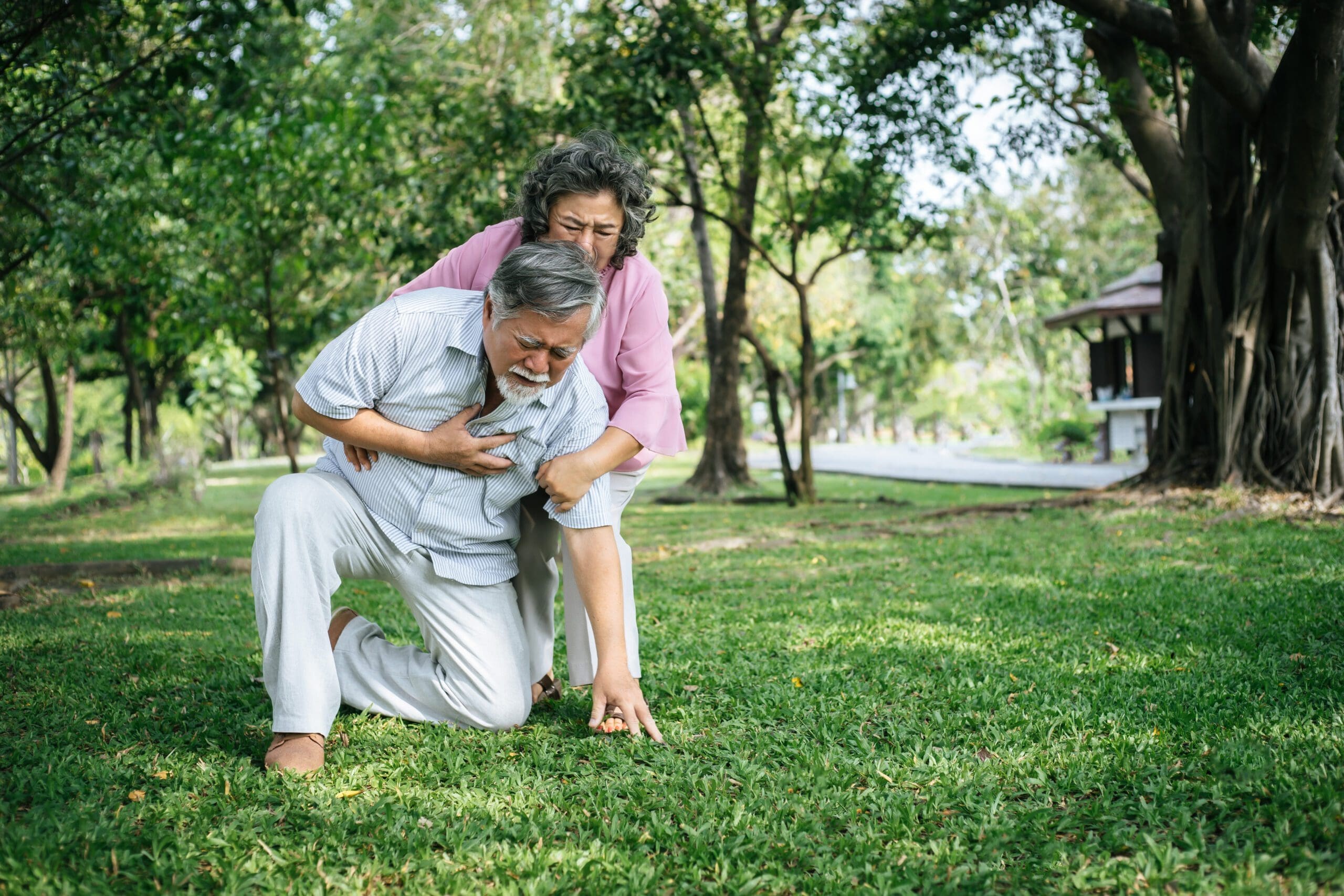
Mesothelioma can form in the linings of particular organs or tissues, such as the membranes that surround the abdominal cavity as well as the lungs.
It can be difficult to diagnose mesothelioma because symptoms are similar to those of other diseases. This is because asbestos-related illnesses have a long latency period.
Signs and symptoms
Mesothelioma is a type of cancer that affects the mesothelium, which is a layer of tissue that covers certain organs and cavities in the body. It is most often found in the lungs, but it can also develop in other areas of the body like the stomach and the heart, as well as the abdomen.
The symptoms of mesothelioma may differ based on the type and stage. There are several common symptoms, including chest pain, weight loss, persistent coughing and breathing difficulties. Anemia and fatigue are both common symptoms of mesothelioma. Metastatic mesothelioma is when the cancer spreads to other areas of your body. It is essential to speak with your doctor if you notice any of the symptoms listed above.
Asbestosis usually results from years of exposure to asbestos dust and fibres. It is a slow-moving disease and due to its lengthy latency period, most people do not know they have it until years after their exposure. Asbestosis is not as dangerous as mesothelioma, since it isn't a cancerous condition. However it can cause respiratory problems and lung problems.
Both mesothelioma and asbestosis are caused by exposure to asbestos. The main difference between these two conditions is mesothelioma which is a malignant cancer that grows within the mesothelium. Asbestosis does not.
A person suffering from pleural cancer can experience a constant cough that is not productive, as well as chest pain. Some patients experience difficulty swallowing and changes in the shape of their fingers, which is known as clubbing. Ascites is a buildup of fluid in the abdomen that some sufferers of pleural mesothelioma have.
Mesothelioma treatments are more aggressive and concentrate on extending life expectancy. However, the method of treating asbestosis is less intensive. Asbestosis treatment is intended to improve the quality of your life and alleviate symptoms. This involves taking the fluid out of the chest through a procedure called thoracentesis, and using pain medication. Patients with mesothelioma cannot receive lung transplants in the case of severe asbestosis cases. Palliative care is offered to mesothelioma sufferers, which focuses primarily on managing symptoms and improving quality of life.
Diagnosis
Inhaling asbestos fibres can cause a variety of symptoms like shortness of breath, cough, and fatigue. These symptoms are difficult to identify since they often resemble other conditions.
Asbestosis is a recurring lung disease that causes scarring of the lungs and respiratory tract, making it harder to breathe. It can also affect other organs causing abdominal discomfort, fluid buildup, and changes in the toe and finger shape (finger clubbing).
Mesothelioma and asbestosis both caused by exposure to asbestos, which is a group of minerals comprised of tiny fibres. Both diseases are caused by this exposure but they have different symptoms and a distinct latency period. Mesothelioma, a rare form of cancer, develops inside the mesothelium, an outer layer of protection that surrounds specific organs and cavities in the body. It is found in the lungs, abdomen and in the heart. Mesothelioma is more likely to develop when a person has been exposed to asbestos several times.
Doctors will order chest X-rays and CT scans in order to identify visual anomalies within the lungs. They may also perform a biopsy in order to determine the type of mesothelioma the patient has. There are many methods to take mesothelium for a biopsy such as a bronchoscopy needle biopsy, or video-assisted Thoracoscopy surgery.
The type of biopsy required will depend on where mesothelioma has been found and in what part of the pleura's lining it is in. The symptoms of the patient as well as their history of exposure to radiation can be used to identify mesothelioma.
Based on the type of cancer of cancer, patients can be treated by radiation or chemotherapy to treat symptoms. In certain cases surgery is a possibility to remove the affected tissues and reduce tumor size. At present, there is no cure available for mesothelioma, but patients can receive palliative treatments to improve their quality of life. Mesothelioma as well as asbestosis have the potential for repeating even after treatment has been completed. This is why it's crucial to have regular follow-up appointments. This is where mesothelioma specialists can detect the recurrence of the disease and monitor the progress of the disease.
Treatment
Asbestos exposure is a cause of both mesothelioma as well asbestosis. They are incurable, however treatment options can prolong survival for decades. Mesothelioma can be found in the mesothelium that lines the lungs and chest cavity. Mesothelioma is different from lung cancer, however the symptoms can be similar.
Asbestosis, a less well-known condition that is caused by prolonged exposure to asbestos fibers in the air. They cause irritation to the lung tissue, leading to scarring that can impede breathing. Asbestos exposure increases the risk of lung infections. Smoking makes the condition progress more rapidly. A doctor will examine the patient and listen to their lungs when asbestosis is identified. In some cases, a doctor may order chest Xrays and lung function tests.
If mesothelioma is suspected, a biopsy will be taken from the pleural mesothelium to be tested in a laboratory. The procedure involves inserting a needle in the abdomen or chest and then removing a small amount of fluid, and then examining it for indications of malignant cells. Based on the type of mesothelioma being treated, surgery or chemotherapy could be recommended.
Surgical removal of asbestos-laden tissues (known as pleurectomy or decortication) can enhance a patient's quality of life for patients with severe asbestosis and reduce the degree of complications. A doctor can also take the fluid out of the chest (a process called thoracentesis) and in some cases perform a surgical procedure called pleurodesis in order to ease breathing issues due to asbestosis or other illnesses.
In addition to pain-relieving therapies doctors can also help patients manage their breathlessness and other symptoms by arranging regular follow up appointments and exercise for pulmonary rehabilitation. They can also prescribe oxygen treatment and, in some cases recommend a lung donation.
illinois asbestos law firm suffering from asbestos-related lung disease are at risk of developing other health problems, such as heart disease and cancer. To reduce these risks one should quit smoking and keep up-to-date with vaccinations for influenza and pneumonia. They should also consult their physician immediately when they experience breathlessness, fever, or shortness of breath and cough.
Prognosis
Inhalation of asbestos fibres could cause mesothelioma and asbestosis, a lung disease. Both diseases have similar symptoms, including chest pain, persistent cough and shortness of breath. Mesothelioma, however is a cancer, while asbestosis isn't. Mesothelioma as well as asbestosis are both incurable and could take a long time to manifest.
The prognosis of mesothelioma varies on a number of factors such as the stage, location and type of cells. Epithelioid mesothelioma, which is the most frequent type has a better chance of survival than sarcomatoid and biphasic varieties. The prognosis of mesothelioma could be affected by a patient's gender and age. Younger patients and females tend to have a better chance of survival than males.
The latency period also plays a significant role in determining a mesothelioma diagnosis. The longer someone is exposed to asbestos the greater their chances of developing symptoms. The latency period of mesothelioma can be between 10 and fifty years after exposure.
Because mesothelioma is a rare cancer it can be difficult to recognize. This is particularly true in the early stages when symptoms are milder and could be misdiagnosed as other conditions. It is important to ensure that doctors thoroughly study pathology reports, and ask for an additional opinion.
Both mesothelioma and asbestosis can cause a fluid buildup in the lungs, which is known as a the pleural effusion. Pleural effusions are a symptom of the two diseases, but they are not life-threatening.
The symptoms of asbestosis are similar to those of other lung diseases, such as chronic obstructive pulmonary disease (COPD). Asbestosis is not as widespread as mesothelioma, and is not cancerous. The person suffering from asbestosis could suffer from symptoms for a long time and may eventually require oxygen therapy. If you or someone close to you is unsure about the signs of asbestosis or mesothelioma, get in touch with a patient advocate right now. We can help you locate an expert doctor who can diagnose and prescribe a treatment plan.